Super Tuscans
Bacchus Wine Merchants combines passion and expertise in the export of high-quality Italian wines.
We bring the excellence and tradition of Mediterranean winemaking directly to your customers around the world.
Bacchus
Wine Merchants

+39 347 212 0791
baroquebacchus@gmail.com
SUPER TUSCANS: THE “REBEL” EXCELLENCE OF TUSCANY
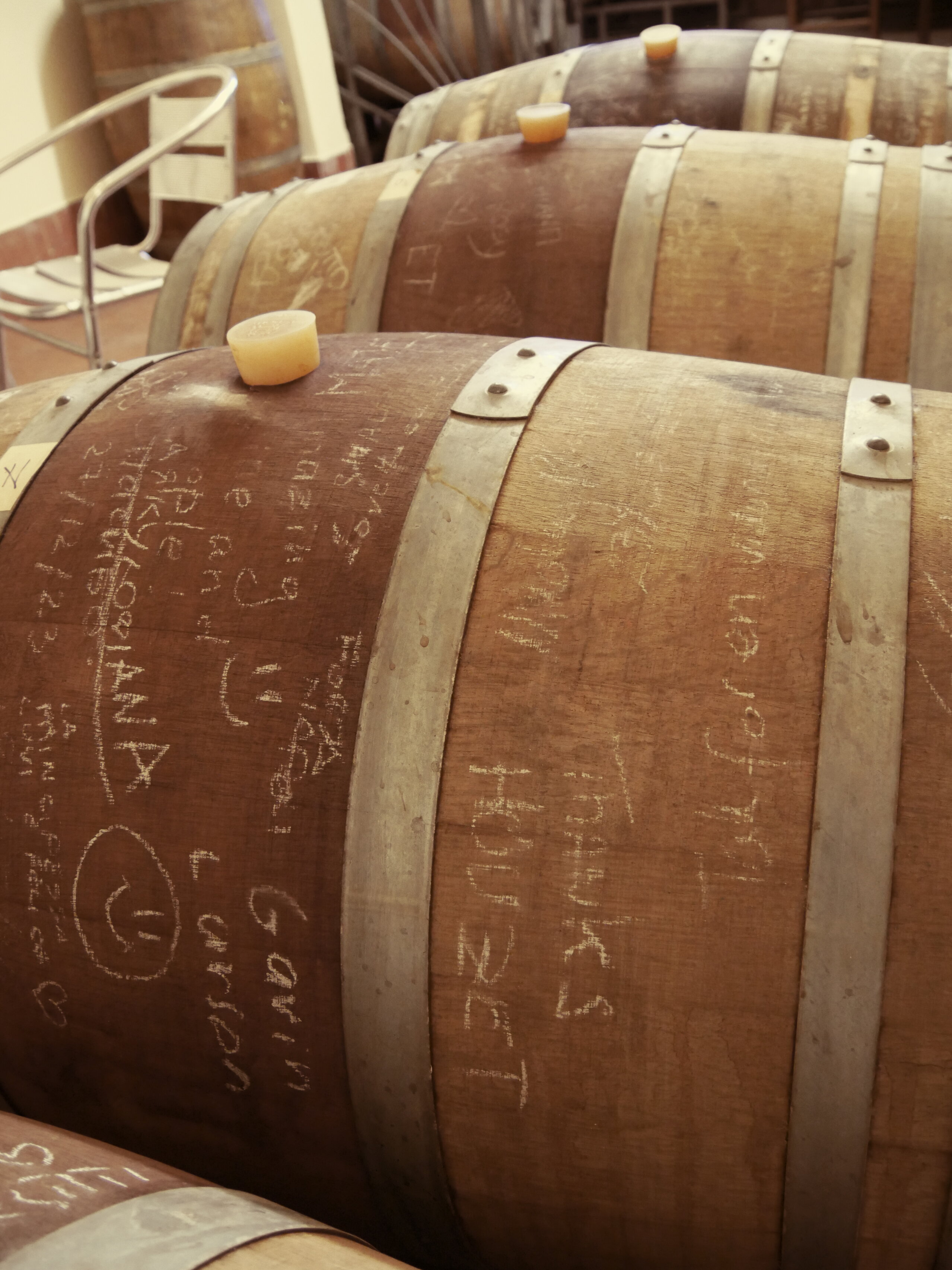
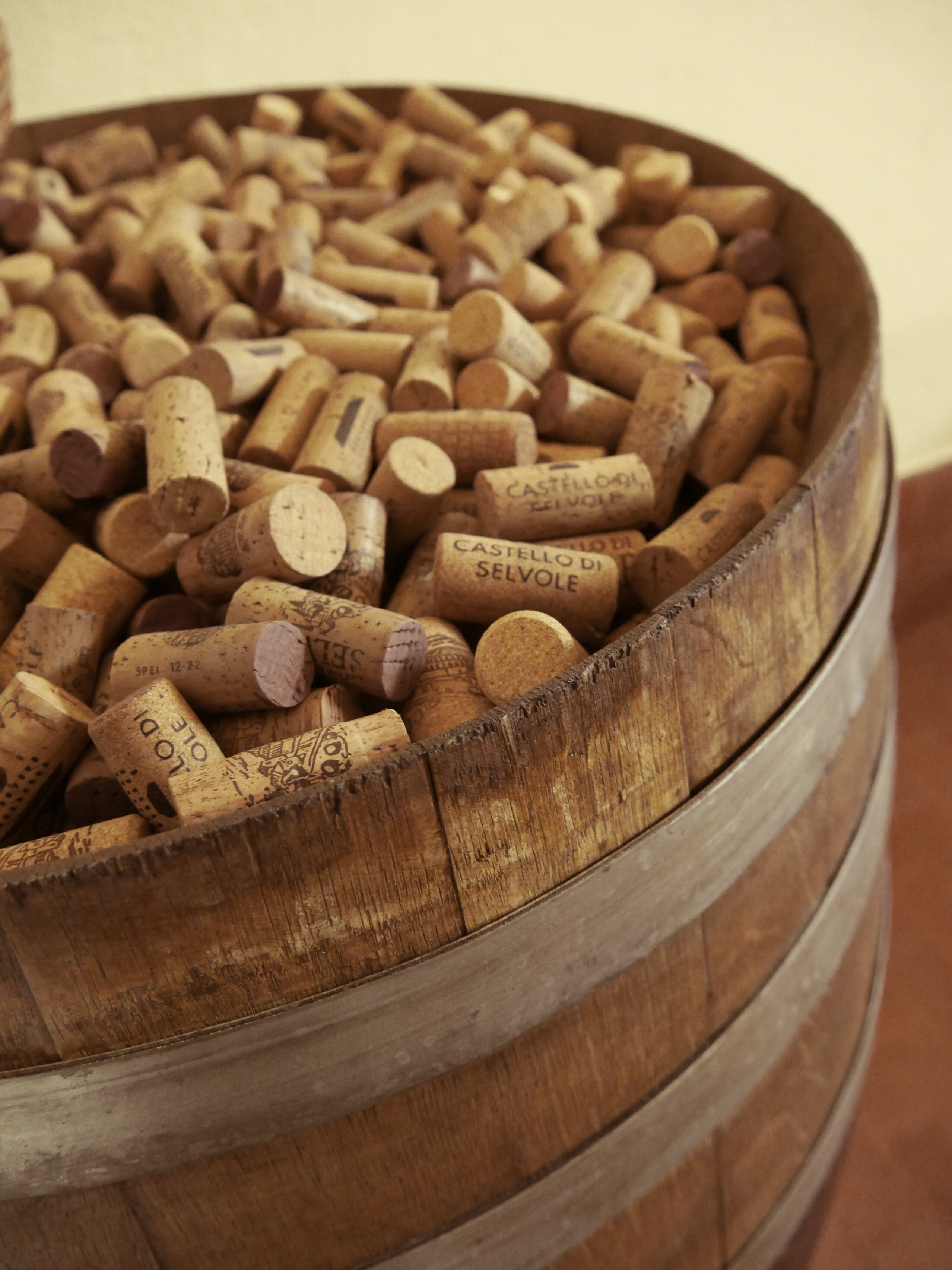
Super Tuscans are high-quality red wines from Tuscany, born from a combination of oenological innovation and rebellious spirit. They stand out because they do not follow the strict DOC or DOCG production rules, paving the way for a new interpretation of Tuscan wine. Producers chose to experiment with international grape varieties such as Cabernet Sauvignon, Merlot, Cabernet Franc, and Syrah, often blending them with the traditional Sangiovese to create wines that are more structured, elegant, and age-worthy.
ORIGINS AND HISTORICAL BACKGROUND
The origins of Super Tuscans date back to the 1960s and 1970s, when the Chianti regulations required the use of white grapes (such as Trebbiano and Malvasia) and restricted the use of international varieties. Some visionary winemakers, dissatisfied with these overly rigid rules, decided to break convention and focus exclusively on quality.
The true pioneer was Marchese Mario Incisa della Rocchetta, who in 1944 began producing a wine made from Cabernet Sauvignon at his Tenuta San Guido estate in Bolgheri, inspired by the great Bordeaux wines of France. Initially made for family consumption, this wine became the legendary Sassicaia in 1968 — widely considered the first true Super Tuscan.
Other iconic producers soon followed:
• Antinori with Tignanello (1971), the first Sangiovese aged in barriques with a small percentage of Cabernet;
• Lodovico Antinori with Ornellaia (1985), also from Bolgheri;
• Isole e Olena, Fontodi, Le Macchiole, Masseto, and many others who helped define the Super Tuscan legend.
NAME AND RECOGNITION
The term “Super Tuscan” was coined by the English-speaking wine press in the 1980s to describe these prestigious wines that, paradoxically, were classified as “Vino da Tavola” (Table Wine) — the lowest official category in Italy’s wine hierarchy. Despite this humble designation, their exceptional quality and international acclaim revolutionized the world’s perception of Italian wine.
TECHNICAL FEATURES AND STYLE
Structure and complexity – powerful yet refined wines, with a perfect balance between tannins, acidity, and alcohol;
Aging in French oak barriques, which imparts aromas of sweet spices, vanilla, and toast;
Remarkable aging potential, often exceeding 15–20 years for top labels;
International flavor profile, showing notes of ripe black fruit, tobacco, chocolate, and graphite.
EVOLUTION AND OFFICIAL RECOGNITION
By the 1990s, the overwhelming success of Super Tuscans led Italian wine authorities to create new designations to acknowledge these “outlaw” wines. This resulted in the introduction of Indicazione Geografica Tipica (IGT) classifications, most notably Toscana IGT, which today encompasses the majority of renowned Super Tuscans.
LEGACY AND INFLUENCE
Super Tuscans not only redefined the identity of Tuscan wine but also inspired a global movement of winemakers seeking freedom from bureaucratic constraints in favor of quality and creativity. Today, they represent the perfect synthesis of tradition and modernity, symbolizing both prestige and the renaissance of Italian wine on the international stage.
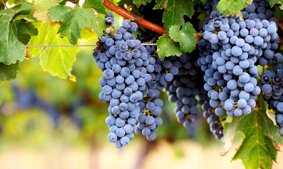
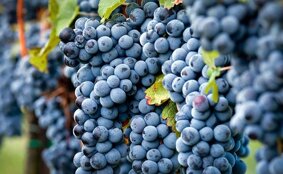
Cabernet Franc
Merlot
Cabernet Sauvignon
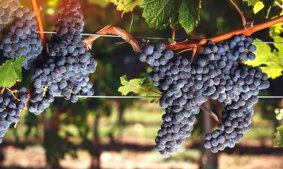
Cabernet Franc is one of the oldest and most fascinating black grape varieties, renowned for its herbaceous character and elegance. Often considered the “parent” of Cabernet Sauvignon (which originated from a natural cross between Cabernet Franc and Sauvignon Blanc), it stands out for its earlier ripening and greater resistance to cooler climates.
GRAPE AND WINE CHARACTERISTICS
Cabernet Franc produces wines with a deep ruby red color, often with violet reflections.
Aromatic profile: It is easily recognizable for its pronounced notes of freshly cut grass, green bell pepper, pepper, and small red berries. With optimal ripeness, it can develop hints of violet and subtle smoky nuances.
Palate structure: Compared to Cabernet Sauvignon, it is lighter, fresher, and has softer, silkier, and less aggressive tannins. It is a medium-bodied wine, enveloping but never overly heavy.
DISTRIBUTION AND STYLES
France: A cornerstone of the “Bordeaux blend” (together with Merlot and Cabernet Sauvignon), especially on the Right Bank (Saint-Émilion and Pomerol). In the Loire Valley (Chinon, Saumur), it is often vinified as a single varietal, producing fresh and highly aromatic wines.
Italy: Introduced around the 18th century, it is widely grown in Northern Italy (Friuli Venezia Giulia, Veneto, and Lombardy). In Tuscany, it has found an ideal habitat in Bolgheri, where it is used in renowned Super Tuscan wines such as Sassicaia and Ornellaia.
Confusion with Carmenère: In the past, especially in Northern Italy, it was often mistaken for the Carmenère grape due to morphological similarities and shared herbaceous notes.
Cabernet Sauvignon is the most widely planted and renowned black grape variety in the world, originating from the Bordeaux region (Médoc and Graves) in France. Born from a natural cross between Cabernet Franc and Sauvignon Blanc, it is celebrated for producing full-bodied, tannic, long-lived red wines rich in aromas such as blackcurrant and herbaceous notes.
ORIGIN AND DISTRIBUTION
Native to the Gironde (France), it is now cultivated worldwide, with over 300,000 hectares globally, mainly in Chile, the United States, Australia, France, and Italy.
AGRONOMIC CHARACTERISTICS
A vigorous vine with medium-to-late ripening and good disease resistance, it thrives in well-drained, calcareous or clay soils. It has medium-small clusters and berries with thick skins rich in bloom.
SENSORY PROFILE
Produces deeply colored, intense wines. On the nose, it shows aromas of ripe red fruit, sour cherry, and blackcurrant, with characteristic green pepper or herbaceous notes, especially when not fully ripe.
WINEMAKING USE
Often used in blends (the classic “Bordeaux blend” with Merlot and Cabernet Franc) for its ability to add structure, tannins, and aging potential, but it is also successfully vinified as a single varietal.
CABERNET SAUVIGNON IN ITALY
Widely grown in Tuscany (a key grape in “Super Tuscan” wines from Bolgheri), and also excels in Trentino-Alto Adige, Friuli Venezia Giulia, and Veneto.
Merlot is one of the most famous and widely planted black grape varieties in the world, originating from the Bordeaux region in France. It is renowned for its ability to produce soft, round, and velvety wines, often described as “seductive” for their immediate drinkability and appeal.
GRAPE CHARACTERISTICS
Name origin: It is believed to derive from the blackbird (merlo), as these birds are particularly fond of its sweet grapes, which ripen earlier than many other varieties.
Morphology: It has medium-sized, pentagonal leaves and blue-black berries. The vine is vigorous and produces abundant, consistent yields.
Adaptability: An international variety that grows well in various climates, though it prefers clay soils that retain moisture.
SENSORY PROFILE
Color: Deep ruby red, tending toward garnet with aging.
Aroma: On the nose, it shows notes of berries (blackberry, blueberry, currant), sour cherry, and plum, accompanied by herbaceous, earthy, and spicy hints such as black pepper and leather.
Taste: On the palate, it is rich and enveloping, with balanced acidity and soft, smooth tannins, often further rounded by oak aging.
DISTRIBUTION AND USES
Bordeaux blend: A key component, together with Cabernet Sauvignon and Cabernet Franc, in the classic Bordeaux blend.
In Italy: Introduced in the late 19th century, it has found great expression in Friuli Venezia Giulia, Veneto, and Tuscany (notably Bolgheri and the wines of Cortona).
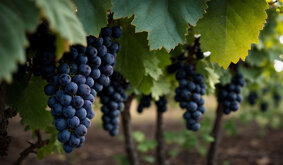
TOP SUPER TUSCAN WINES
Some of the most prestigious Super Tuscans include Sassicaia, Tignanello, Solaia, Masseto, and Ornellaia — all benchmark wines that helped define this innovative category.
While they differ in style and composition, most are blends combining both traditional Tuscan grapes such as Sangiovese and international varieties like Cabernet Sauvignon, Merlot, and Cabernet Franc. These wines express the perfect balance between Tuscan terroir and global winemaking expertise.
PROMINENT SUPER TUSCAN LABELS
Sassicaia (Tenuta San Guido, Bolgheri)
The original Super Tuscan and a Bordeaux-style blend, predominantly Cabernet Sauvignon with a smaller proportion of Cabernet Franc. Known for its structure, minerality, and longevity, Sassicaia is the only Italian wine with its own DOC (Bolgheri Sassicaia DOC).
Tignanello (Marchesi Antinori)
A groundbreaking wine that combines Sangiovese with Cabernet Sauvignon and Cabernet Franc, first produced in 1971. It was one of the first Italian wines to be aged in barriques and to forgo white grapes in the blend — marking a turning point in Tuscan winemaking.
Solaia (Marchesi Antinori)
Created as Tignanello’s “companion wine,” Solaia is a Cabernet Sauvignon–dominated blend with Cabernet Franc and Sangiovese. It has become a benchmark for elegance, power, and refinement among Super Tuscans.
Masseto (Tenuta dell’Ornellaia)
A 100% Merlot wine produced from a single vineyard on clay-rich soils. Often compared to Pomerol’s greatest wines, Masseto is among the most sought-after and collectible Italian wines in the world.
Ornellaia (Tenuta dell’Ornellaia, Bolgheri)
A Bordeaux-style blend of Cabernet Sauvignon, Merlot, Cabernet Franc, and Petit Verdot. Known for its rich texture, aromatic depth, and impeccable balance, Ornellaia is considered one of the finest expressions of Bolgheri’s coastal terroir.
L’Apparita (Castello di Ama)
A single-varietal Merlot, first produced in 1985, and one of the first of its kind in Tuscany. Renowned for its silky tannins and elegance, L’Apparita is often regarded as one of Italy’s top Merlots.
Le Pergole Torte (Montevertine)
A 100% Sangiovese wine that embodies a pure and traditional Tuscan identity, even though it originated outside the Chianti Classico DOCG. It is notable for its finesse, aromatic complexity, and artistic labels.
Flaccianello della Pieve (Fontodi)
Another 100% Sangiovese, sourced from a single vineyard in Panzano in Chianti. Powerful and refined, it combines classic Chianti vibrancy with modern winemaking precision.
Cepparello (Isole e Olena)
A Sangiovese-based wine made from the estate’s best parcels. Cepparello is elegant, balanced, and consistently ranked among the finest examples of the varietal in Tuscany.
Grattamacco Rosso (Podere Grattamacco, Bolgheri)
A blend of Cabernet Sauvignon, Merlot, and Sangiovese, among the earliest wines to showcase the Bolgheri coastal terroir alongside Sassicaia.
D’Alceo (Castello dei Rampolla)
A powerful blend of Cabernet Sauvignon and Petit Verdot, rich and concentrated, representing a modern yet artisanal interpretation of the Super Tuscan style.
COMMON GRAPE VARIETIES
Sangiovese – Tuscany’s signature grape, contributing acidity, red fruit, and authenticity.
Cabernet Sauvignon – Adds structure, depth, and longevity.
Merlot – Offers roundness, plush fruit, and softness to the blend.
Cabernet Franc – Enhances aromatic complexity and freshness.
Petit Verdot – Provides color, tannic grip, and spice in small percentages.
Petit Verdot
Petit Verdot is a black grape variety originating from the Bordeaux region in France, known as one of the classic components of the famous “Bordeaux blend,” together with Cabernet Sauvignon and Merlot.
GRAPE CHARACTERISTICS
Morphology: Its name derives from the small size of its berries (“petit”) and its late ripening, which often left some grapes unripe (“verdot”) in cooler vintages.
Cultivation: It is a demanding variety that requires warm, sunny climates to achieve full ripeness.
Use: Traditionally used in small percentages (1–5%) to add color, tannins, and structure to blends, it is increasingly vinified as a single varietal in warmer regions.
Sensory profile
Color: Very deep and intense ruby red, often tending toward garnet or violet hues.
Aroma: Complex and spicy, with typical notes of berries, violet, ripe cherry, and often hints of aromatic herbs and black pepper.
Taste: On the palate, it is a highly structured wine, with dense yet velvety tannins and good acidity that supports aging.
DISTRIBUTION AND KEY REGIONS
Although it originated in France, Petit Verdot has found ideal conditions in more consistently warm climates.
In Italy: It shows excellent results in Lazio (notably wines from Casale del Giglio in Aprilia), Tuscany (Maremma and Bolgheri), and Sicily.
Worldwide: It is widely planted in Australia (home to some of the largest plantings), California, Spain, Chile, and Argentina.