
Lazio Grapes
Bacchus Wine Merchants combines passion and expertise in the export of high-quality Italian wines.
We bring the excellence and tradition of Mediterranean winemaking directly to your customers around the world.

Bacchus
Wine Merchants
+39 347 212 0791
baroquebacchus@gmail.com
Aleatico
Ciliegiolo
Cesanese
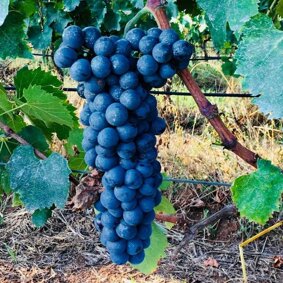
Aleatico in Lazio reaches its finest expression in the area of Gradoli, on Lake Bolsena, where the only DOC dedicated to this grape in the region is produced: Aleatico di Gradoli DOC.
GRAPE CHARACTERISTICS
Aleatico is a semi-aromatic black grape variety (related to Moscato Bianco). In Lazio, it benefits from the volcanic soils of the Tuscia area, which give the wine a distinctive minerality and freshness.
SENSORY CHARACTERISTICS
Color: Deep ruby red, often with dark violet reflections that tend toward garnet with aging.
Aroma: Highly aromatic, with prominent notes of red fruit jam (sour cherry, plum), fresh flowers such as rose and violet, and hints of sweet spices or cocoa in more evolved versions.
Taste: On the palate, it is soft, velvety, and well-structured. Despite the sweetness typical of passito styles, it maintains balanced acidity that prevents it from becoming cloying.
PRODUCTION STYLES
The Aleatico di Gradoli DOC includes several styles:
Red Wine (Sweet): The classic version, fruity and fragrant.
Passito: Made from dried grapes, offering greater sugar concentration and aromatic complexity.
Fortified (Liquoroso): Fortified with the addition of alcohol or grape spirit; the Riserva version must be aged for at least two years in wood.
Alternative styles: Some producers also make dry versions (IGT) or vinify it as white or rosé wines.
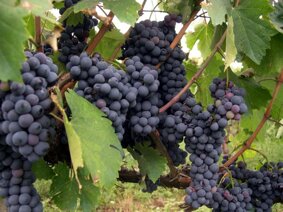
Cesanese is an indigenous black grape variety from Lazio, renowned for producing structured, aromatic, and long-lived red wines. It is distinguished by its deep ruby color, aromas of red fruits (sour cherry, blackberry), and spicy and floral notes (violet). On the palate, it is smooth, with firm yet velvety tannins.
MAIN CHARACTERISTICS
Varieties: There are two main biotypes: Cesanese Comune (more productive, with larger clusters) and Cesanese di Affile (smaller berries, greater aromatic complexity and higher quality).
Appearance: Deep ruby red, tending toward garnet with aging.
Aroma profile: Intense and varied bouquet of ripe red fruits (sour cherry, morello cherry), floral notes (violet), and spicy/earthy hints (black pepper, juniper, underbrush).
Taste: A medium- to full-bodied wine, smooth and fresh, with a significant yet non-aggressive tannic structure.
Terroir: Mainly grown in the provinces of Rome and Frosinone (Ciociaria), on volcanic or clay-limestone soils.
APPELLATIONS
Cesanese del Piglio DOCG: The first DOCG of Lazio, known for highly structured red wines produced in the areas of Piglio, Anagni, Serrone, Acuto, and Paliano.
Cesanese di Affile DOC: Based on the Affile biotype, producing intense wines with notes of medicinal herbs and dark fruits, often with excellent aging potential.
Cesanese di Olevano Romano DOC: Produced in the Olevano Romano area, often on volcanic soils, and known for its characteristic almond-like finish.
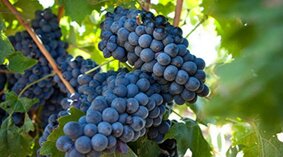
Ciliegiolo from Lazio is an IGT red wine known for its bright ruby color and intense aromas of cherry, sour cherry, and small red berries. On the palate, it is soft, fresh, harmonious, and well-structured, with delicate tannins and pleasant acidity. It is an early-ripening and productive grape variety.
MAIN CHARACTERISTICS
Appearance: Deep ruby red, sometimes with violet reflections.
Aromatic profile: Intense and immediate aromas of cherry, morello cherry, plum, violet, and sweet spices.
Taste: Soft, juicy, and well-balanced, with good structure and fine tannins.
Grape: Medium-early ripening (often around mid-September). The cluster is large and elongated, with blue-black berries covered in bloom.
Versatility: It can be vinified as a single varietal for fresh and fruity styles or aged in wood for greater complexity.
Often grown in volcanic or hilly areas of Lazio, Ciliegiolo stands out for its excellent drinkability and aromatic character reminiscent of fresh fruit, especially cherry, from which it takes its name.
AMPELOGRAPHIC AND AGRONOMIC CHARACTERISTICS
Grape morphology: The cluster is typically large, pyramidal, and compact, with berries that have thick, bloom-covered skins.
Ripening: A medium-early variety; in Lazio, it usually ripens between the second and third ten days of September.
Lazio clones: There are clones specifically selected by ARSIAL (such as I-ARSIAL-CRA 223), optimized for the regional environment, ensuring consistent and high-quality production.
Merlot
Sangiovese
Montepulciano
Merlot in Lazio is a red wine distinguished by its softness and roundness—qualities that find a particularly rich and velvety expression in the region’s soils, often of volcanic origin.
SENSORY CHARACTERISTICS
The sensory profile may vary slightly depending on the production area (e.g., Castelli Romani, Agro Pontino, or Viterbo), but generally follows this pattern:
Color: Deep ruby red, with violet reflections in younger wines or tending toward garnet with aging.
Aroma: Intense and fragrant, dominated by red and black fruit notes such as cherry, plum, sour cherry, and blackberry. It often shows spicy nuances, floral hints (dried violet), and—if oak-aged—notes of vanilla or chocolate.
Taste: On the palate, it is smooth, savory, and well-balanced. The tannins are typically soft and well-integrated, giving a velvety and harmonious mouthfeel.
PRODUCTION AND TERROIR IN LAZIO
Grape variety: Merlot is an international grape of French origin (Bordeaux) that has adapted excellently to Lazio’s soils, which are rich in potassium and phosphorus.
Classifications: It is mainly produced under the Lazio IGT (or IGP) designation, both as a single varietal (100% Merlot) and in blends with other grapes such as Sangiovese or Cesanese.
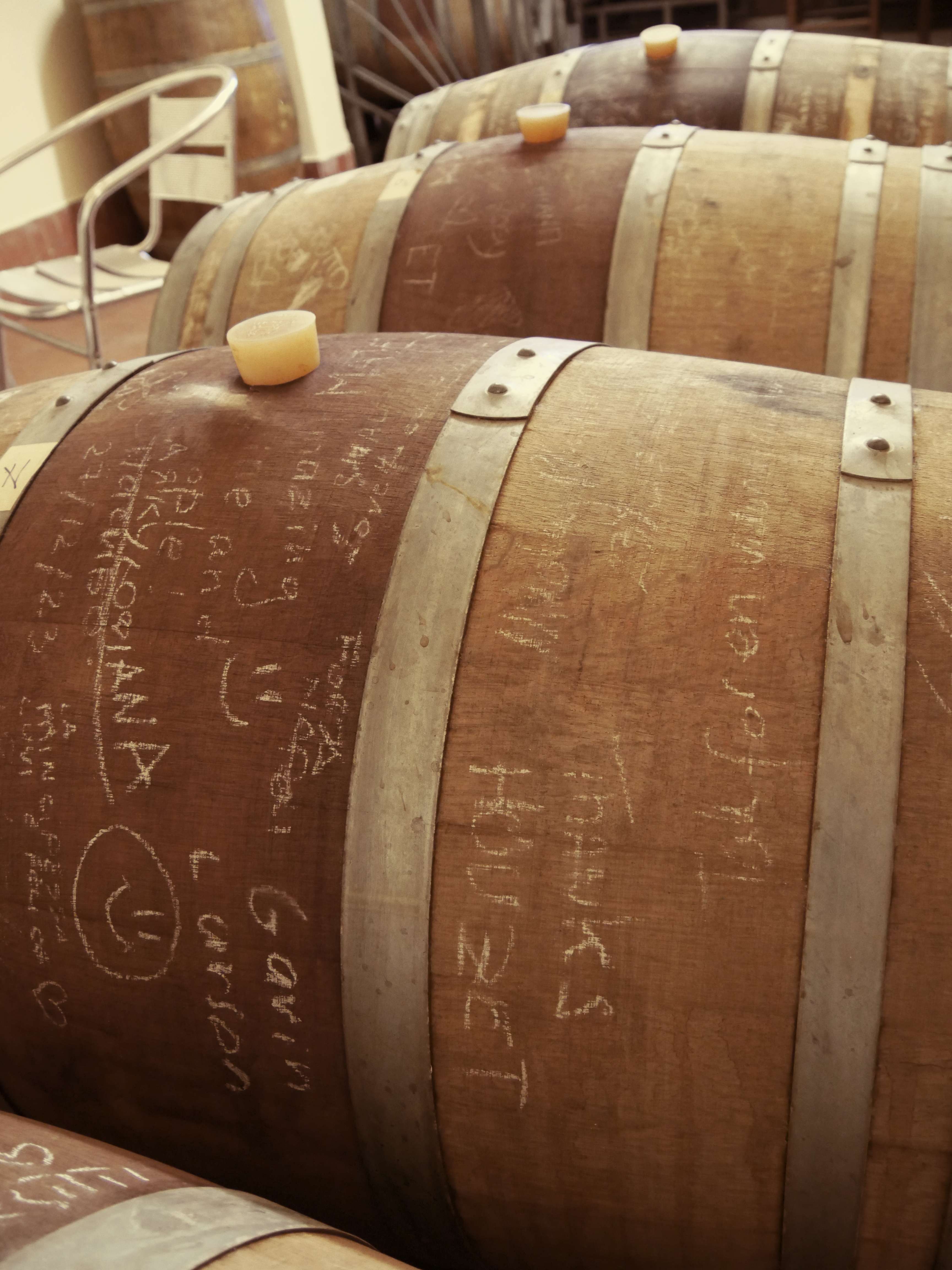
Winemaking: It is often vinified in stainless steel to preserve fruit freshness, while higher-quality versions may undergo aging in barriques or oak barrels to enhance complexity.
Montepulciano in Lazio is a black grape variety widely cultivated, although it is historically associated with the Abruzzo region. In Lazio, it is successfully grown thanks to its excellent adaptability, contributing to several local appellations.
SENSORY CHARACTERISTICS
The wine produced from Montepulciano grapes grown in Lazio reflects the typical qualities of the variety, with nuances influenced by local soils.
Color: Deep ruby red with violet hues when young, tending toward garnet with aging.
Aroma: Characteristic and vinous, with dominant notes of ripe red fruits such as cherry, plum, and sour cherry, sometimes accompanied by spicy and floral hints.
Taste: Dry on the palate, savory, full-bodied, and appropriately tannic. It has a velvety structure and a persistent finish.
USE AND APPELLATIONS IN LAZIO
In Lazio, Montepulciano is often used in blends with other grape varieties (such as Sangiovese or Cesanese) to add color and structure. It is present in several DOC appellations in the region, including:
Cerveteri DOC
Tarquinia DOC
Velletri DOC
Castelli Romani DOC
Note:
This grape variety should not be confused with Vino Nobile di Montepulciano, a Tuscan wine produced mainly from Sangiovese grapes in the town of Montepulciano (SI).
Sangiovese in Lazio
Sangiovese in Lazio is one of the most widely cultivated and appreciated red grape varieties, often used both as a single-varietal wine and in blends with native grapes such as Cesanese or international varieties like Merlot.
ORGANOLEPTIC CHARACTERISTICS
Color: It generally shows a bright ruby red color, which may tend toward purple or develop orange hues with aging.
Aroma: On the nose, it is intense, with typical notes of red fruits (blackberry, plum) and floral hints (violet). In some expressions from Lazio, distinctive nuances such as pepper, underbrush, and mineral notes linked to volcanic soils can emerge.
Taste: It is a dry, fresh, and savory wine. It has good acidity and a noticeable yet well-balanced tannic structure. Compared to Tuscan versions, Sangiovese from Lazio can be softer and more rounded, thanks to the milder climate.
PRODUCTION AREAS AND APPELLATIONS
In Lazio, Sangiovese is grown across several areas and denominations:
Viterbo area (Alta Tuscia): Here, Sangiovese benefits from volcanic soils that enhance its minerality. It is included in DOC wines such as Colli Etruschi Viterbesi.
Rome area and Castelli Romani: Often used in Roma DOC and Castelli Romani DOC, where it is cultivated on soils rich in potassium and phosphorus.
Coastal area and Agro Pontino: Included in appellations such as Circeo DOC and Cerveteri DOC, where it takes on a more Mediterranean character.
Lazio IGT: The most common classification for single-varietal Sangiovese, allowing producers greater freedom of expression.
Bellone
Grechetto
Cacchione
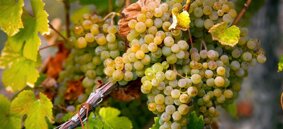
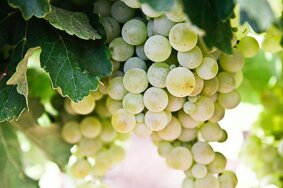
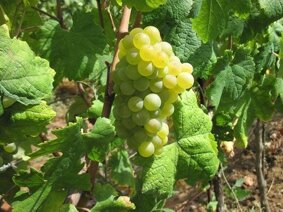
Bellone (also locally known as Cacchione) is one of the oldest and most representative white grape varieties of Lazio, historically widespread in the Castelli Romani area and along the coastal strip between Anzio and Nettuno.
GRAPE CHARACTERISTICS
Ancient origins: Already mentioned by Pliny the Elder as “uva pantastica,” Bellone is a native grape variety highly resistant to drought and disease, making it well-suited to the volcanic and sandy soils of Lazio.
Bunch and berry: It has large, compact clusters with thick-skinned berries, yellow-green in color, which turn golden when fully ripe.
ORGANOLEPTIC PROFILE
Color: Bright straw yellow, often with intense golden reflections.
Aroma: On the nose, it is intense and persistent, offering a bouquet of ripe fruit (peach, citrus), floral notes, hints of wild herbs, and a pronounced mineral streak due to volcanic soils.
Taste: It is a well-structured wine, often described as “masculine” due to its body. On the palate, it is fresh, savory, and dry, with a finish that often recalls bitter almond.
Today, Bellone is successfully vinified both as a single-varietal wine and in blends (such as in Cori DOC or Roma DOC), and there are also interesting sparkling and passito versions available.
Cacchione is a native white grape variety typical of the Lazio coastline, particularly in the municipalities of Anzio and Nettuno. Although it is often identified with the Bellone grape, in these specific coastal areas it develops distinct characteristics thanks to the sandy soils, which have allowed the survival of “own-rooted” vines (not grafted onto American rootstocks).
GRAPE AND PRODUCTION CHARACTERISTICS
History: It is a very ancient grape variety, cultivated in this area for over 2,000 years and historically referred to as “uva pantastica.”
Terroir: It thrives in the sandy, sun-exposed soils of the Roman coastline, which give the wine a marked minerality and salinity.
Resistance: Thanks to the sandy soils, many historic vineyards escaped the phylloxera epidemic of the late 19th century, making Cacchione one of the rare examples of pre-phylloxera viticulture still in existence.
ORGANOLEPTIC PROFILE
Color: Bright straw yellow, often with elegant golden reflections.
Aroma: An intense and persistent bouquet with notes of grapefruit, peach, and dried fruit, accompanied by floral and herbaceous hints and a pronounced mineral character.
Taste: On the palate, it is rich and well-structured, balanced by fresh acidity and a savory finish that recalls almond.
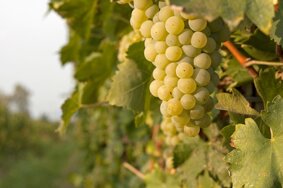
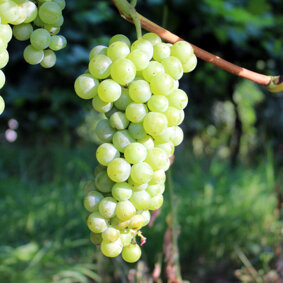
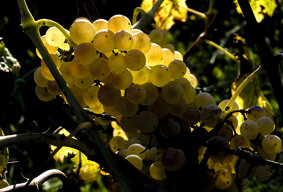
Grechetto in Lazio produces fresh, savory, and mineral-driven white wines, often linked to volcanic soils. The grape variety has small, compact clusters with thick-skinned berries. From a sensory perspective, it offers notes of white-fleshed fruit (pear, peach) and flowers, with marked acidity and structure, allowing for aging potential.
MAIN CHARACTERISTICS
Appearance: Straw yellow color, sometimes with greenish reflections, showing good consistency in the glass.
Aromas: Notes of white-fleshed fruit (apple, pear, peach), bitter almond, hazelnut, and floral hints of acacia and elderflower.
Taste: A dry wine with good structure, relatively high alcohol, and notable acidity and salinity.
Terroir: In Lazio, it is mainly cultivated in volcanic areas, such as the Tuscia Viterbese, which impart mineral character.
Vinification: Often vinified in stainless steel to enhance freshness, but it is also suitable for aging in oak, which softens acidity and enhances toasted notes.
In Lazio, Grechetto is used both as a single-varietal wine and in blends (for example with Malvasia Puntinata), and it appears in several appellations, including:
Lazio IGT
Colli Etruschi Viterbesi DOC
Civitella d’Agliano IGT
Malvasia
Trebbiano
Roscetto
Malvasia del Lazio (also known as Malvasia Puntinata) is one of the most prized and representative white grape varieties of the region. It clearly differs from the more common Malvasia Bianca di Candia due to its superior aromatic quality and structure.
GRAPE CHARACTERISTICS
Name and Appearance: It is called “puntinata” (“speckled”) because of the small dark spots that appear on the grape skin when fully ripe.
Terroir: It reaches its finest expression in the volcanic soils of the Castelli Romani, particularly in the areas of Frascati and Roma DOC.
Yield: It has inconsistent productivity and is more susceptible to diseases (such as powdery mildew) compared to other varieties. For this reason, it was partially abandoned in the past in favor of more “productive” grapes.
ORGANOLEPTIC CHARACTERISTICS
Color: Deep straw yellow with golden reflections.
Aroma: Highly aromatic and complex, with floral notes (orange blossom, broom), fruity hints (lime, white peach), and sometimes mineral nuances linked to volcanic soils.
Taste:
avory, fresh, and with good alcoholic structure. A typical feature is the slightly bitter finish reminiscent of bitter almond.
MAIN APPELLATIONS (DOC/DOCG)
Frascati Superiore DOCG
Cannellino di Frascati DOCG (sweet version)
Roma DOC
Marino DOC
Roscetto (or Rossetto) is an ancient native white grape variety from Lazio, mainly found in the Tuscia Viterbese area. It is closely linked to the tradition of the Est! Est!! Est!!! di Montefiascone DOC, where it was historically confused with Trebbiano Giallo.
GRAPE AND PRODUCTION CHARACTERISTICS
Terroir: It is cultivated almost exclusively in the Viterbo area (Montefiascone, Castiglione in Teverina) on volcanic soils.
Yield and Skin: It is distinguished by its thick skin, which develops pinkish hues when fully ripe (hence the name). It is a low-yielding variety, which historically limited its spread in favor of more productive grapes.
Vinification: It is used both as a single-varietal wine for structured Lazio IGP wines and in blends. It is well-suited to barrique fermentation and also to sparkling production using the Traditional Method.
ORGANOLEPTIC CHARACTERISTICS
Color:
Deep straw yellow with golden or amber reflections if aged in wood.
Aromatic Profile: On the nose, it is complex and elegant, with notes of yellow fruit (peach, pineapple, banana) and floral hints, enriched by vanilla or buttery notes in oak-aged versions.
Taste: It is a full-bodied wine, characterized by high fixed acidity, which ensures freshness and notable aging potential—unusual for many Lazio white wines. On the palate, it is full, savory, and persistent.
Trebbiano in Lazio is not a single grape variety, but a family of grapes that forms the backbone of regional viticulture, contributing to historic appellations such as Frascati DOC, Castelli Romani DOC, and Est! Est!! Est!!! di Montefiascone.
MAIN VARIETIES
Trebbiano Giallo: Widely grown in the Castelli Romani area. Compared to Trebbiano Toscano, it has a more intense aromatic profile, with notes of yellow-fleshed fruit and a more savory and structured palate.
Trebbiano Verde: Genetically identical to Verdicchio. It is appreciated for its ability to retain good acidity and for its mineral notes and bitter almond finish.
ORGANOLEPTIC AND TECHNICAL CHARACTERISTICS
Color: Straw yellow, sometimes with golden or greenish hues.
Aroma: Fragrant and delicate, with notes of white flowers, citrus, white fruit (apple), and herbaceous hints.
Taste: Dry, fresh, and savory, with good acidity. The finish is often clean and slightly almond-like.
Structure: Generally light-bodied and easy-drinking, suitable for immediate consumption, although some variants such as Trebbiano Verde (a Verdicchio clone) or Trebbiano Giallo may show more structure.
Alcohol content: Typically ranges between 11% and 13% ABV.