Tuscan Grapes
Bacchus Wine Merchants combines passion and expertise in the export of high-quality Italian wines.
We bring the excellence and tradition of Mediterranean winemaking directly to your customers around the world.

Bacchus
Wine Merchants
+39 347 212 0791
baroquebacchus@gmail.com
Canaiolo
Aleatico
Ciliegiolo
Cesanese
Ciliegiolo
The Canaiolo is a Tuscan grape variety that produces wines from light to medium-bodied, marked by fruity notes (red fruits, cherry), floral (violet) and spicy hints. It is known for its soft, velvety and balanced profile, adding elegance and roundness to blends, often alongside Sangiovese. In single-varietal wines it can show a light ruby color, distinct aromas and a pleasant finish, sometimes slightly bitter.
AROMA AND FLAVOR
Fruity: notes of red fruits such as cranberries and cherries, sour cherry and berries.
Floral: hints of violet and rose.
Spicy: spicy nuances, with some expressions showing clear notes of black pepper.
Aromatic: balsamic notes such as eucalyptus and a light mint are often present.
BODY AND STRUCTURE
Color: light ruby red, sometimes with some transparency.
Body: medium.
Tannins: soft, silky and delicate, contributing to a round feel on the palate.
Acidity: generally well balanced.
Finish: good persistence on the aftertaste, which can be soft and velvety or slightly bitter in varietal wines.
The Tuscan Ciliegiolo is a ruby-red wine, marked by intense cherry and red-fruit aromas, often paired with spicy notes such as pepper and black pepper. It is generally medium-bodied, with moderate tannins and good acidity, qualities that make it fresh and easy to drink. With ageing, some versions can develop notes of undergrowth and tobacco.
CHARACTERISTICS
Appearance: ruby-red colour that, with ageing, can evolve toward garnet tones.
Aroma: complex bouquet of ripe red fruits, especially cherry, sometimes with hints of spices, herbs or flowers.
Taste: dry, velvety and balanced, with medium tannins and good acidity.
Palate: cherry is the dominant flavour, sometimes accompanied by other fruits and spices; it may show a soft, slightly chewy texture.
Ageing: over time it can develop further complexity, such as notes of undergrowth and tobacco.
GROWING AND HISTORY
Ciliegiolo is a traditional grape variety of central Italy, with the highest concentration in Tuscany, especially in the Maremma, in the province of Grosseto.
Historically it was often used as a blending grape for Sangiovese-based wines, but today it is increasingly vinified on its own to produce single-varietal wines.
The name “Ciliegiolo” comes from the Italian word ciliegia, referring both to the colour of the grape and to the wine’s typical aromas.
The Colorino is a Tuscan grape variety known for its very intense color and for its ability to add structure to wines. Its traits include a dark, impenetrable look, a robust frame with firm tannins and aromas of dark red fruits such as cherry and plum, sometimes joined by spicy and earthy notes. It is rarely vinified on its own, but it is an important blending grape, especially to boost color and tannins in Sangiovese-based wines, such as Chianti.
BOUQUET AND AROMAS
Dark fruit: intense aromas and flavors of sour cherry, plum, and blackberry.
Spicy and earthy: hints of spices, tobacco, cocoa, and licorice.
Herbal: light notes of wild herbs and an overall earthy complexity.
STRUCTURE AND APPEARANCE
Deep color: the name comes from its ability to give a very intense ruby red, almost inky, thanks to thick, dark skins.
High tannins: it helps provide solid, vigorous structure to wines.
Balance: when well balanced it can show good acidity and a velvety or soft feel on the palate.
OTHER FEATURES
Blending grape: used mainly to add color and structure to other wines, especially Chianti.
Disease resistance: the thick skins make it more resistant to disease and adaptable to different Tuscan climate conditions.
Winemaking: it is a late-ripening variety and is also valued for its affinity with the “governo” winemaking technique.
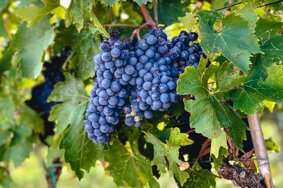
Colorino
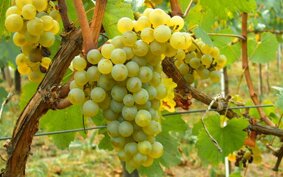
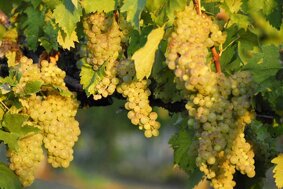
Sangiovese
Ansonica
Ansonica
Chardonnay produced in Tuscany is a wine that combines the versatility of this international grape with the sunny, mineral character of the Tuscan terroir. It generally presents itself as a dry, elegant, and structured wine.
SENSORY CHARACTERISTICS
Color: Bright straw yellow, often with greenish reflections in younger wines or golden hues in those aged in oak.
Aroma: An intense bouquet ranging from white flowers and citrus (grapefruit, orange peel) to yellow-fleshed fruits such as apple and peach. In oak-aged versions, notes of butter, vanilla, and bread crust emerge.
Taste: On the palate, it is harmonious and persistent. It stands out for a good alcohol content (often between 12% and 14.5%), balanced by fresh acidity and a pronounced mineral salinity.
PRODUCTION AREAS AND APPELLATIONS
In Tuscany, Chardonnay is successfully cultivated in various areas, adapting to different microclimates:
Maremma Toscana DOC: Here it takes on a more Mediterranean and savory character.
Valdichiana Toscana DOC: Produced between Arezzo and Siena, known for its balance and finesse.
Toscana IGT: The most common designation, allowing producers greater expressive freedom, with styles ranging from fresh stainless-steel wines to more refined oak-aged selections.
Ansonica is an ancient white grape variety typical of the Tuscan coast and its islands, known for producing white wines characterized by a marked marine salinity, notes of aromatic herbs, and a structure often above that of classic white wines.
SENSORY CHARACTERISTICS
Aromatic profile: Dominant notes of citrus, white peach, anise, and Mediterranean scrub.
Taste: On the palate it is fresh, dry, with a sharp mineral finish; the proximity of the vineyards to the sea (especially on the Island of Giglio) gives it pronounced salinity.
Body: It generally has a good alcohol level and a solid structure, allowing it to pair well with more complex dishes.
MAIN APPELLATIONS AND PRODUCTION AREAS
In Tuscany, Ansonica reaches its highest expression in specific DOC and IGT areas:
Ansonica Costa dell’Argentario DOC: Produced in the municipalities of Manciano, Capalbio, Orbetello, Monte Argentario, and on the Island of Giglio.
Maremma Toscana DOC Ansonica: Found throughout the coastal belt of the Maremma.
Elba Ansonica DOC: Produced on the Island of Elba, where it is made both as a dry wine and as a passito (dessert wine).
Val di Cornia DOC Ansonica: Another coastal area for this grape variety.
Tuscan Sangiovese is known for its medium to full body, high acidity, and firm tannins. It displays a complex aromatic profile with notes of red cherry, red plum, and strawberry, accompanied by savory hints such as tomato and herbs, along with earthy nuances like tobacco or leather, especially with aging. Its high acidity and tannic structure make it a classic pairing for rich Tuscan dishes such as bistecca alla fiorentina or aged cheeses.
AROMAS AND FLAVORS
Fruit: Tart cherry, red plum, strawberry, and red currant are among the primary flavors.
Savory: Notes of tomato, black pepper, and wild herbs are characteristic.
Earthy/Spicy: With aging, it develops hints of tobacco, leather, and earth.
Other aromas: It may also show nuances of violet, coffee, cocoa, or clove, especially with oak aging.
STRUCTURE
Body: Medium to full-bodied.
Acidity: High, giving freshness and clarity on the palate.
Tannins: Firm and well-defined, providing structure and aging potential.
GRAPE AND SOIL
It thrives particularly well in the clay-limestone soils of Tuscany.
It is a late-ripening variety that requires good sun exposure and proper ventilation.
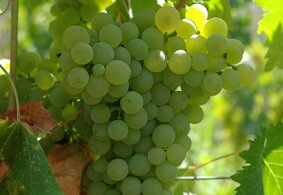
Malvasia
Vermentino
Trebbiano
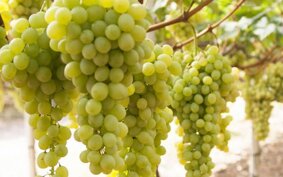
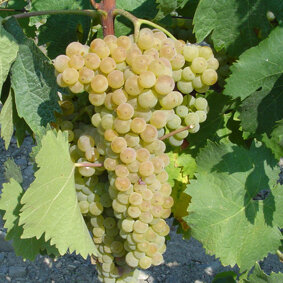
Malvasia Bianca Toscana, officially known as Malvasia Bianca Lunga, is one of the historic and most representative grape varieties of the region. Although it belongs to the large Malvasia family, it stands out for its central role in Tuscan winemaking tradition, especially in the production of dessert wines.
SENSORY CHARACTERISTICS
The wine produced from this grape has a distinctive sensory profile:
Color: Deep golden yellow, becoming more amber in passito (dessert) versions.
Aroma: Aromatic and complex bouquet, with pronounced notes of orange blossom, honey, exotic fruit, and hints of apricot.
Taste: On the palate, it is sweet, enveloping, and smooth, while maintaining balanced acidity that prevents it from becoming heavy.
USE AND WINEMAKING
Vin Santo: It is a key component, together with Trebbiano Toscano, in the production of the famous Vin Santo del Chianti. The grapes are dried on racks for several months before fermentation in small wooden barrels (caratelli).
Blending in Chianti: Historically, a small percentage (5–12%) of Malvasia Bianca Lunga was also added to Chianti red wines to provide freshness and aromatic lift.
IGT wines: Today, it is also vinified on its own to produce dry white wines or late-harvest styles under the Toscana IGT designation.
Trebbiano Toscano is one of the oldest and most widely planted white grape varieties in Italy, known above all for its high productivity and pronounced acidity. In France, it is known as Ugni Blanc, where it serves as the primary base for the production of Cognac and Armagnac.
GRAPE CHARACTERISTICS
Vigor and Productivity: A very vigorous vine with abundant and consistent yields.
Morphology: The cluster is generally large, cylindrical or pyramidal, often winged, with medium-sized berries featuring thick yellow-green skins.
Resistance: It tolerates late frosts well due to its late budding, but is sensitive to wind and severe winter cold.
SENSORY CHARACTERISTICS
The wine produced as a single varietal is usually considered easy-drinking, though modern techniques (such as maceration or bottle aging) can enhance its structure.
Color: Pale straw yellow with greenish reflections.
Aroma: Delicate and light, with predominant notes of white flowers (hawthorn) and green apple.
Taste: Dry and savory, characterized by high acidity, which makes it very fresh on the palate.
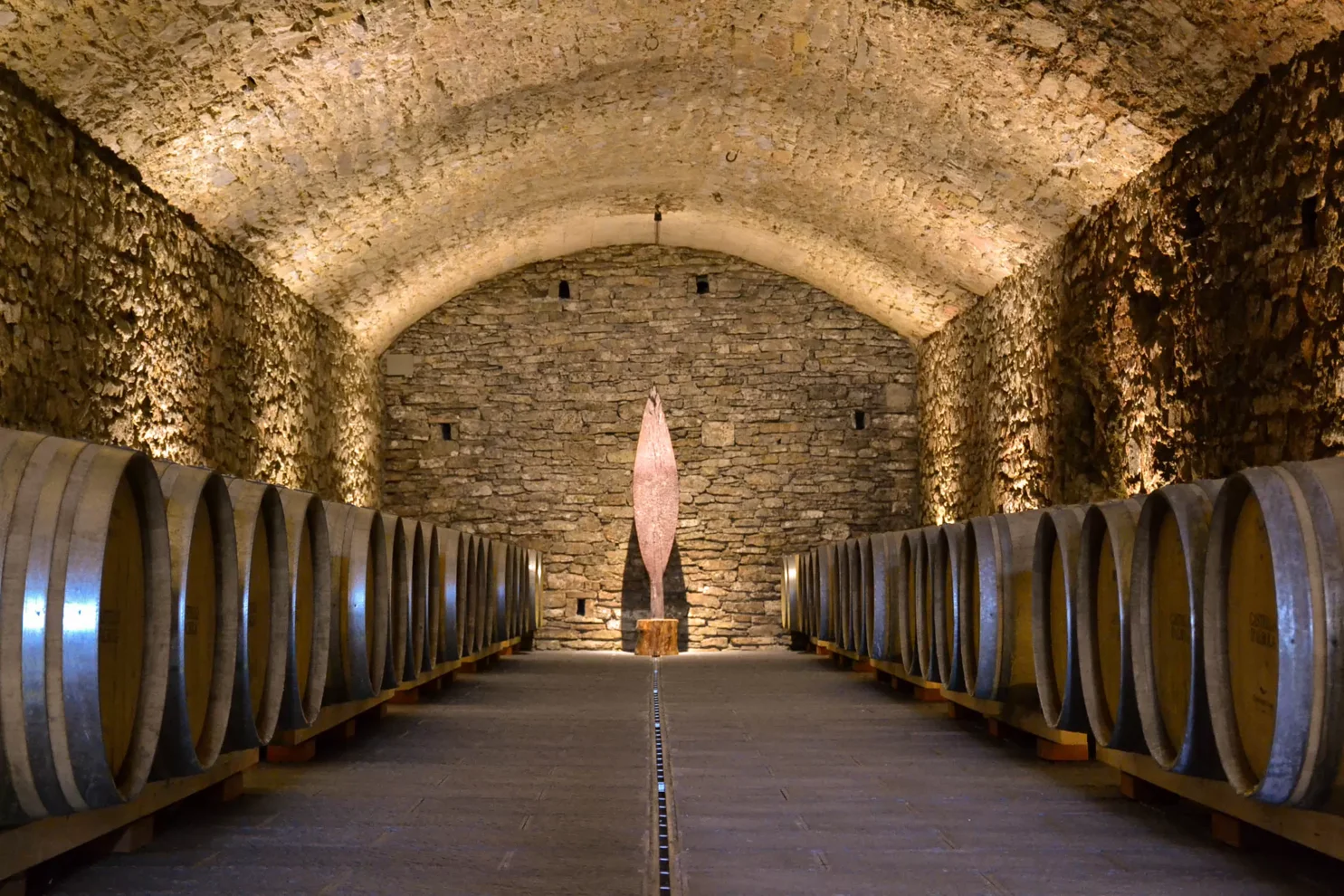
Tuscan Vermentino is a white wine distinguished by its freshness, aromatic intensity, and a pronounced mineral character linked to its proximity to the sea. Although the grape variety is the same as in Sardinia and Liguria, in Tuscany (especially in Maremma and Bolgheri) it takes on a distinctive character, often less structured than its Sardinian counterpart but marked by great elegance.
SENSORY CHARACTERISTICS
Color: Bright straw yellow with golden or greenish reflections.
Aroma: A delicate bouquet ranging from white flowers (hawthorn, broom) to fresh fruit such as white peach, pear, and apple. Citrus notes of grapefruit and mineral hints of flint or sea spray are common.
Taste: Dry, savory, and fresh. On the palate it is enveloping, with lively acidity and a characteristic slightly almond-like or pleasantly bitter finish.
Structure: Generally medium-bodied, with an alcohol content typically ranging between 12.5% and 13% ABV.
MAIN PRODUCTION AREAS
The most suitable areas are found along the Tyrrhenian coast:
Maremma Toscana: Where the wine benefits from intense sunlight and sea breezes.
Bolgheri: Known for refined and high-quality expressions.
Elba Island and Colli di Luni: Coastal and island areas offering versions with even more pronounced saline nuances.
Vernaccia
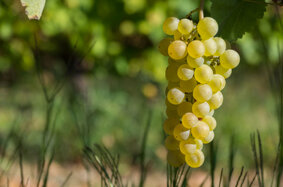
Vernaccia di San Gimignano DOCG is the only white grape variety in Tuscany to hold the highest quality designation (DOCG), a historic wine celebrated since the Middle Ages by poets such as Dante Alighieri.
SENSORY CHARACTERISTICS
It stands out for its distinctive character and a structure that is above average compared to many Italian white wines.
Color: Pale straw yellow with greenish reflections that turn golden with aging.
Aroma: Fine and complex; when young, it shows notes of yellow flowers, apple, and pear, while with aging it develops mineral hints (flint) and nuances of tropical fruit.
Taste: Dry, savory, and full-bodied. Its hallmark is the almond-like finish, a slightly bitter aftertaste that cleanses the palate.
Aging potential: Unlike many white wines, it has excellent aging capacity, developing tertiary complexity in the Riserva version.
THE GRAPE AND THE TERROIR
The Vernaccia grape is cultivated exclusively on the hills around San Gimignano. The soils, rich in sand and clay with the presence of Pliocene marine fossils, give the wine its characteristic salinity and minerality.